
Prof Tulio de Oliveira Receives Presidential Order of Mapungubwe in Gold for African Genomic Surveillance Leadership
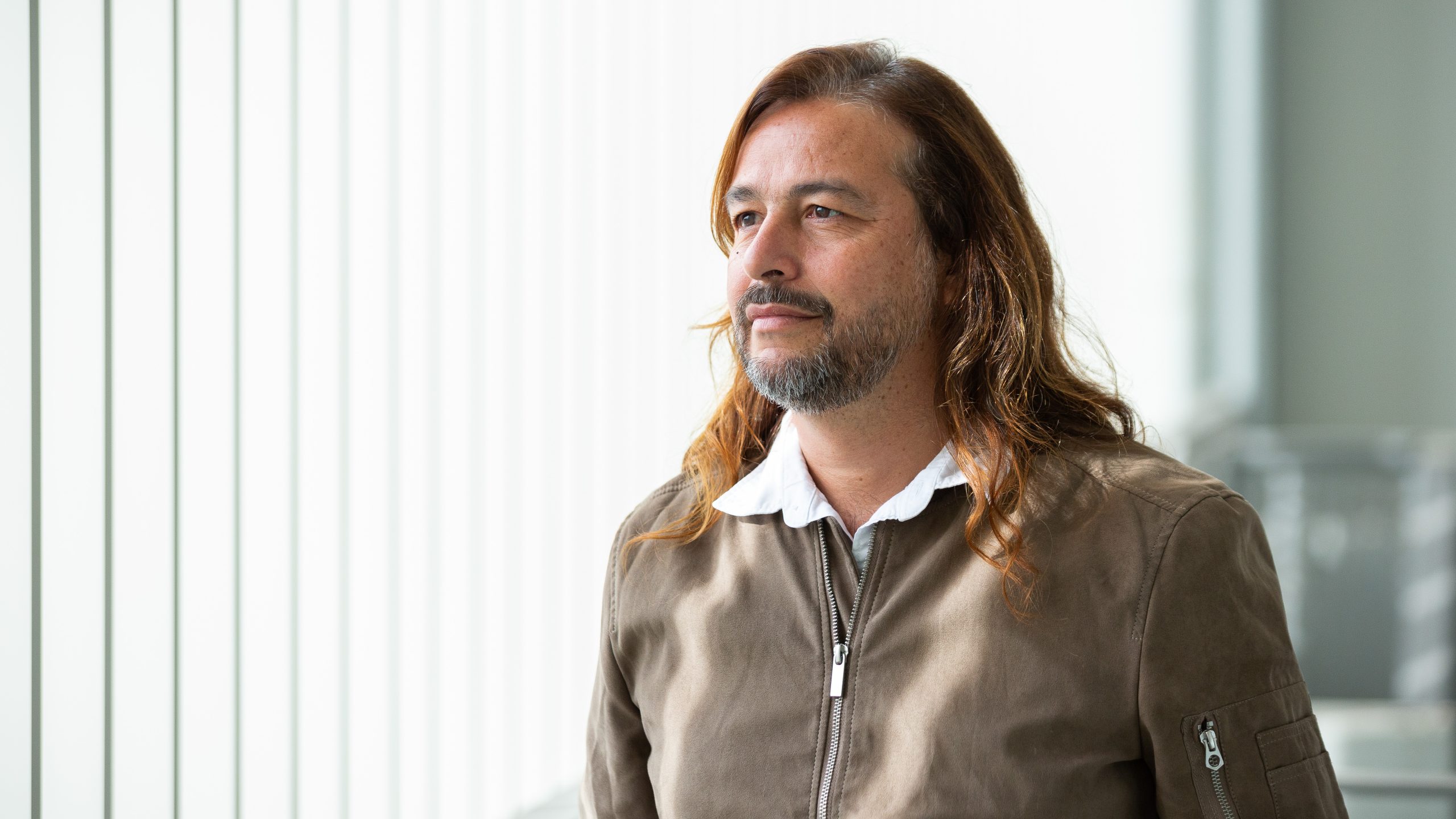
The Order of Mapungubwe is South Africa's highest civilian honour, awarded to citizens who have achieved excellence and exceptional accomplishment to the benefit of South Africa and beyond. Awarded across four categories, it is an honour that has been conferred upon Nelson Mandela, among others, placing it among the most distinguished in the country's history. Prof de Oliveira was recognised for his contribution to genomic surveillance and public health, including leadership in the identification and rapid characterisation of the Omicron variant of SARS-CoV-2 during the COVID-19 pandemic. As highlighted by the president in the award; the early detection of variants allows countries to prepare and save lives.
Under Prof de Oliveira’s leadership, teams across CERI and KRISP have helped strengthen genomic surveillance capacity across Africa, building systems capable of rapidly detecting and monitoring emerging pathogens in real time. The rapid identification and transparent reporting of Beta in 2020 and Omicron in late 2021 highlighted both the scientific expertise and collaborative infrastructure developed across African institutions and public health partnerships.
“I must stress that this was a team effort, and I would like to recognise some of the main contributors, including Dr Richard Lessells, Dr Jennifer Giandhari and Dr Sureshnee Pillay from KRISP at UKZN, and Prof Houryiiah Tegally, Dr Eduan Wilkinson, and Prof Cheryl Baxter from CERI at Stellenbosch University, who worked day and night throughout the pandemic to advance science that saves lives. I would also like to recognise the dozens of scientists and colleagues from the Network for Genomics Surveillance in South Africa (NGS-SA), a network fully funded by the Department of Science, Technology and Innovation (DSTI) and the South African Medical Research Council (SAMRC),” said Prof Tulio de Oliveira, director of CERI at Stellenbosch University and KRISP at University of KwaZulu-Natal.
Central to this work has been a long-term investment in building scientific capacity across Africa. Through CERI and KRISP, Prof de Oliveira and his teams have trained a new generation of African scientists in genomics, bioinformatics, and epidemic response, strengthening sequencing capacity across multiple countries on the continent. This infrastructure, built over more than two decades of work on viral outbreaks including HIV, Hepatitis B and C, Zika, Dengue, Chikungunya, and Yellow Fever, means that African institutions are not merely responding to health threats, but are increasingly positioned to lead the scientific response to them. It is this depth of investment in people, systems, and partnerships that underpins the kind of rapid, credible science that shaped the global COVID-19 response.
The Vice-Chancellor of Stellenbosch University, Prof Deresh Ramjugernath, noted the high calibre of expertise, innovation and societal impact reflected in Prof de Oliveira’s work: “We warmly congratulate Prof Tulio de Oliveira on this exceptional and richly deserved recognition. The awarding of the Order of Mapungubwe in Gold not only honours a remarkable scientific contribution to global public health, but also affirms the growing impact and leadership of African science on the world stage. As one of Africa’s leading research-intensive universities, and through institutions such as CERI, Stellenbosch University continues to contribute meaningfully to global scientific discourse and solutions, while remaining firmly rooted in the developmental priorities of South Africa and the African continent. This recognition speaks to the world-class research, collaborative partnerships and thought leadership emerging from the African continent, and we are immensely proud of Prof de Oliveira and the teams whose work continue to strengthen global public health preparedness and response.”
These sentiments were echoed by University of KwaZulu-Natal Vice-Chancellor and Principal, Prof Nana Poku, who said: “We warmly congratulate Prof de Oliveira on this richly deserved recognition. His contributions to bioinformatics, scientific innovation, and global health research give powerful expression to UKZN's vision of advancing scholarship that addresses real-world challenges and improves lives. We are proud to be associated with his work and remain committed to supporting the impactful research he continues to lead.”
Prof de Oliveira's contributions have been recognised by scientific, public health, and governmental institutions worldwide. In 2021, he was named among Nature's ten scientists driving global scientific developments. The following year, he was recognised by the MIT Technology Review as one of ten pioneers of breakthrough technologies, and received the Gold Medal Award from the South African Medical Research Council, the German Africa Prize, and the Government of South Africa's Batho Pele Award for societal impact. He was also awarded the Order of Merit Medal by the President of Portugal, and later received the Discovery Health Lifetime Achievement Award.
Prof de Oliveira is listed among TIME100's most influential people of 2022 and TIME100 Health 2024, received the EDCTP Scientific Leadership Prize in 2025, and was elected Fellow of the Africa Leadership Initiative. The Order of Mapungubwe in Gold is the latest in a sustained record of recognition spanning science, public health leadership, and societal impact.
The surveillance and response work carried out through CERI and KRISP has been built on partnerships spanning African public health institutes, national ministries of health, and international bodies including Institut Pasteur Dakar and the Wellcome Sanger Institute, reflecting a model of science that is collaborative by design.
The recognition also reflects the growing global significance of African genomics research and innovation. Institutions such as Stellenbosch University, CERI, UKZN, and KRISP continue to contribute to scientific leadership, public health preparedness, and the development of genomics capacity across the continent.
For Stellenbosch University, Prof de Oliveira's appointment as Pro Vice-Chancellor for Industry, Business and Foundation Partnerships, alongside this national honour, reflects the university's "In and For Africa" commitment: research that is globally competitive, Africa-rooted, and built to deliver lasting societal impact.
Research is one of UKZN's five key strategic priorities, as outlined in the university's decadal Strategic Plan (2023-2032). The university is determined to enhance its position as a leading research-intensive institution dedicated to advancing knowledge and delivering practical solutions to the complex global challenges facing humanity, with an emphasis on local and international collaborations.
The scientific networks and surveillance systems developed through this work are already being applied to emerging threats beyond COVID-19. Through initiatives such as CLIMADE, researchers at CERI and partner institutions are investigating the intersection of climate change and infectious disease risk, building the evidence base needed to anticipate future epidemic threats. As genomic technologies continue to shape the future of medicine and public health, the collaborative infrastructure established across African institutions is expected to remain central to global preparedness and response efforts.
The Order of Mapungubwe stands as proof of what becomes possible when scientists are given the space, resources, and networks to lead. It affirms South Africa’s role not at the periphery of global science, but as an active contributor shaping how the world detects, understands, and responds to emerging health threats. For Stellenbosch University, CERI, UKZN, and KRISP, the honour is both a moment of pride and a reminder of why this work matters.
News date: 2026-05-14
Links: